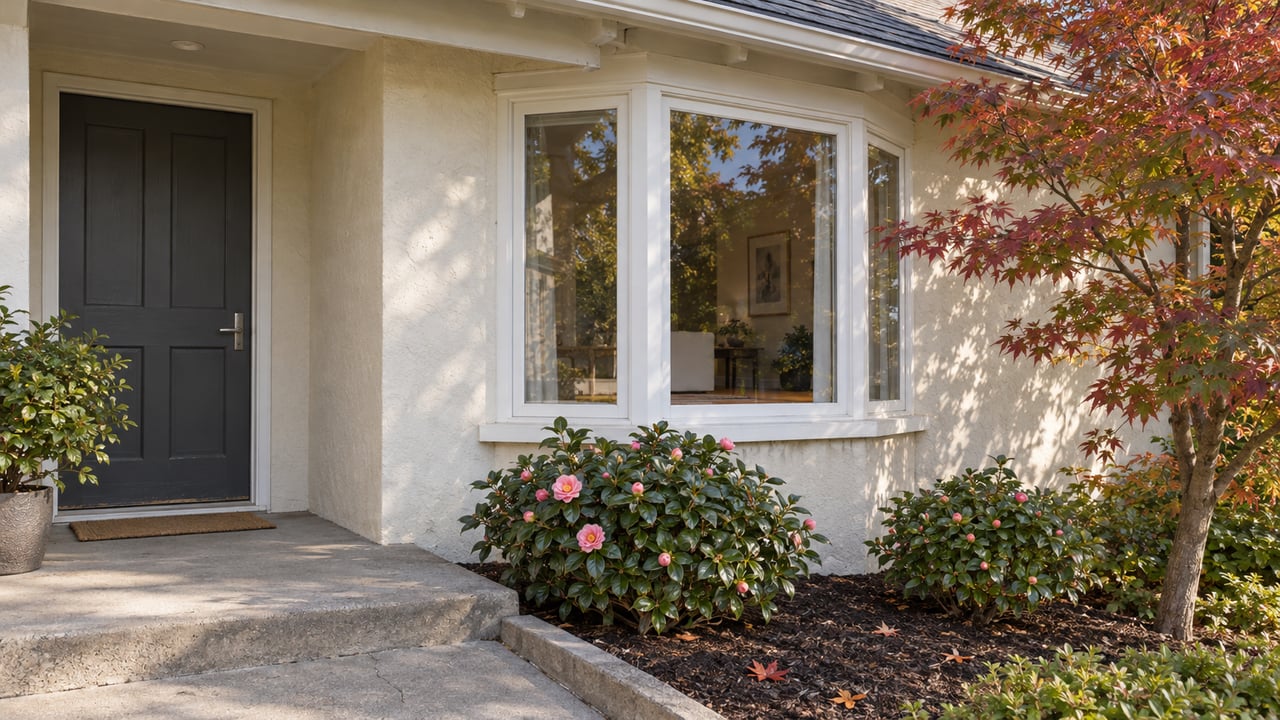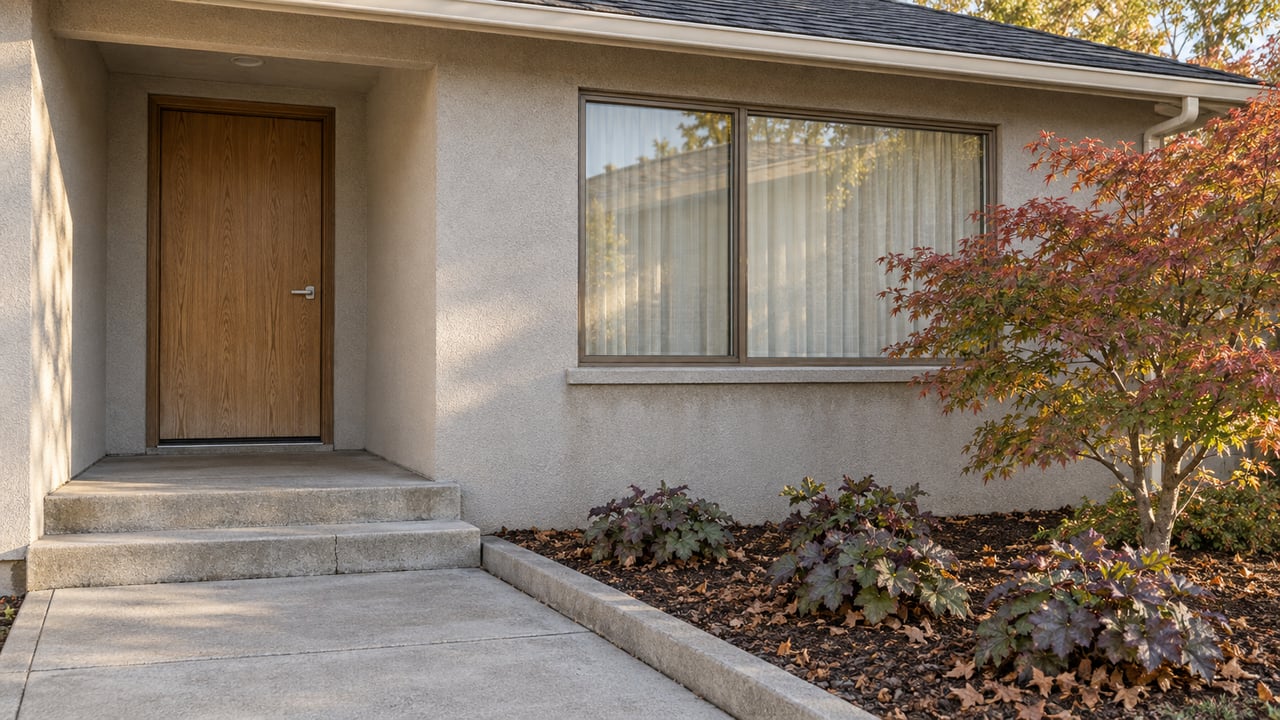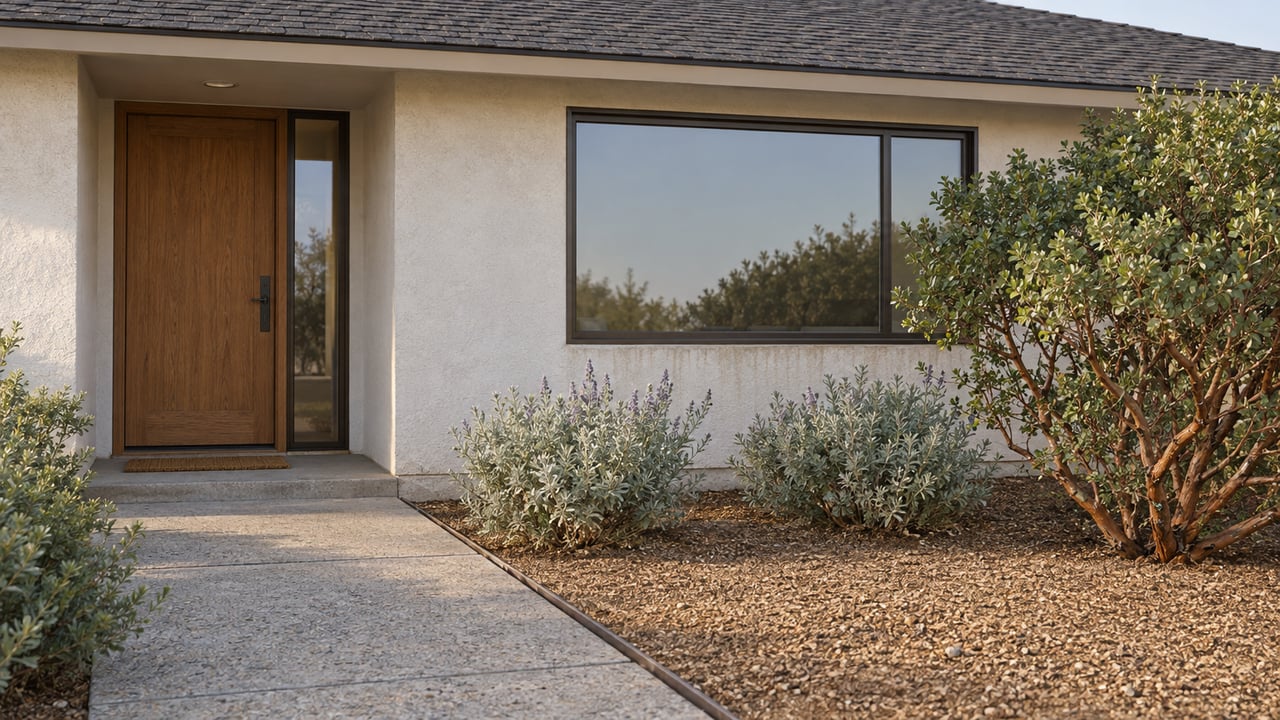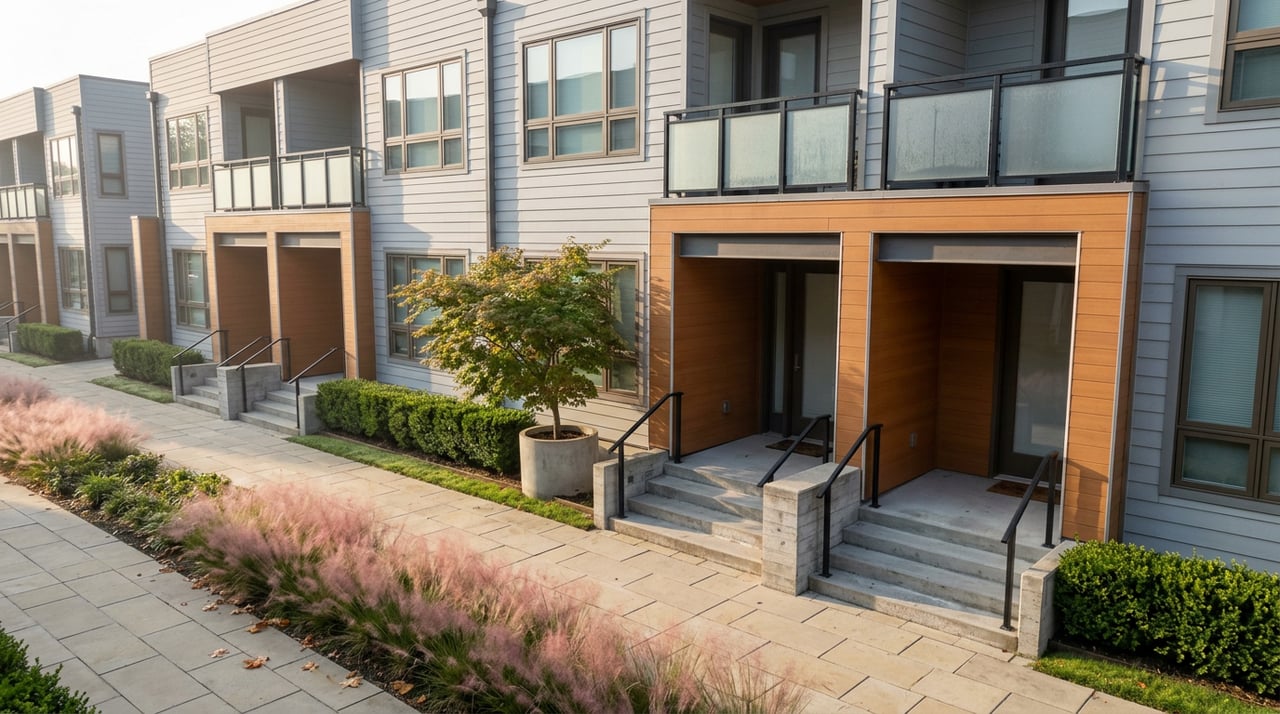
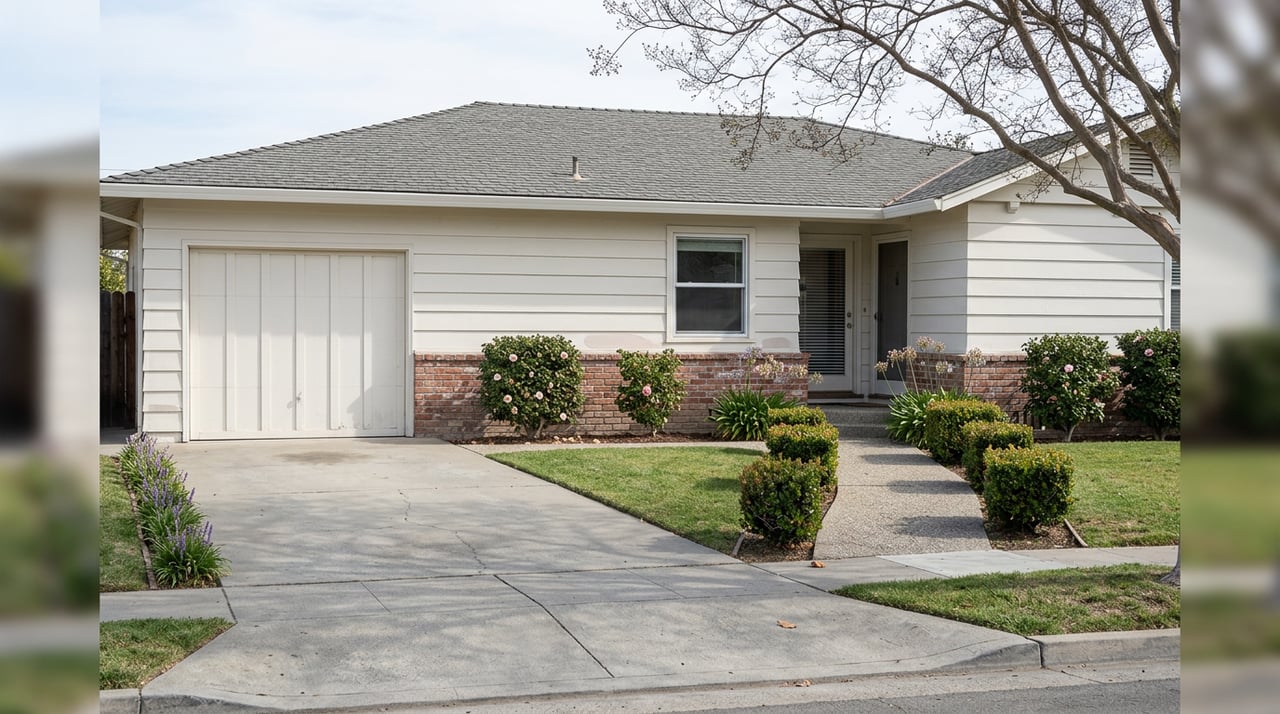
Walk out most front doors in The Village on a weekday evening and you won't pass a coffee shop, a corner store, or even a stoplight. You'll pass ranch houses, low fences, and the kind of quiet that makes visitors think they took a wrong turn off Highway 101. If you're headed anywhere with other people in mind, you're almost certainly headed to Casanova Park, and depending on which way you turn once you get there, you might cross the wooden footbridge over Laurel Creek before you've even decided where dinner is happening.
That absence is the whole story here. The Village was built to be lived in, not shopped in, and seven decades later that hasn't changed. What has changed is how much weight one small park is asked to carry because of it.
Two Developments, One Nickname
Nobody built "The Village" as a single project. What residents now call by that name started as two separate 1950s subdivisions that happened to sit next to each other. The larger one, built by Conway and Culligan between the late 1940s and early 1950s, took the name San Mateo Village. Right beside it, Hansen Homes put up a smaller tract of modest three- and four-bedroom ranch houses on part of the old McClellan estate and called it Glendale Village.
Over the decades the line between the two blurred until most people stopped bothering with either official name and just started saying "the Village." The area sits roughly between El Camino Real and the 101, with Hillsdale to the north and Laurie Meadows to the south, and George Hall Elementary sits right inside its boundaries rather than at the edge, which is part of why so many families here can walk their kids to school on the same flat streets they walk their dogs on.
It's a small detail, but it explains something about how the neighborhood behaves today. Two developments that were never meant to share a downtown grew into one informal community that still doesn't have one. The stitching between them had to happen somewhere else.
A Park Doing More Than a Park's Job
That somewhere else is Casanova Park, a neighborhood park on Casanova Drive with a playground, a basketball court, and a handful of shaded picnic tables with grills. The playground got rebuilt in recent years with a rubber safety surface under the climbing structures, and it draws enough elementary-age kids that regulars will tell you the toddler crowd tends to head instead to Laurie Meadows Park next door, which Casanova connects to by a pedestrian and bicycle bridge over Laurel Creek.
That bridge matters more than its size suggests. It's the literal physical link between the old Glendale Village side of the neighborhood and the old San Mateo Village side, and it's the reason a kid on a bike can get from one half of the neighborhood to the other without ever touching a street. In a place with no commercial strip of its own, a footbridge over a creek is doing the job that a Main Street crosswalk does somewhere else.
The clearest proof of how much social weight this one park carries shows up once a year, when residents on both sides of that history organize a neighborhood-wide garage sale that now draws more than 35 participating households, staged off Hillsdale Boulevard via Saratoga Drive each June. It's not run by a merchants' association, because there isn't one. It's neighbors deciding, on their own, that the park and the streets around it are worth treating like a town center for one Saturday a year.
Two Directions, Two Different Nights Out
Here's where it gets interesting for anyone deciding what to do on an actual Friday night, because The Village's lack of a center doesn't just mean fewer options. It means the few options you have sit in genuinely different directions and belong to genuinely different categories of evening.
Walk or drive west toward El Camino Real and you'll find Sole Ristorante Italiano, a small trattoria at 69 W 37th Avenue run by chef-owner Mario, known around town for house-made pasta, gnocchi, and a cioppino regulars order on repeat. It's the kind of place where you can show up hungry on a Tuesday, and it's closed Sundays, so plan around that if it's the one you want.
A short distance up that same corridor is a completely different register of evening. All Spice, at 1602 South El Camino Real, occupies a converted 1906 Victorian house and currently sits on the Michelin Guide's list of San Mateo restaurants. Husband-and-wife team Sachin Chopra and Shoshana Wolff run it as a reservation-only tasting menu, three, four, or five courses, Tuesday through Saturday. It is not a place you wander into on a whim, and it's not trying to be.
Turn north instead and you land somewhere else entirely: Hillsdale Shopping Center, anchored by a movie theater and enough retail and dining under one roof that it functions as its own destination rather than a strip you'd stroll. It's not a nicer or worse option than the El Camino corridor. It's a different kind of night, mall-anchored convenience instead of a chef's table or a neighborhood trattoria.
Most neighborhoods with a real center let you drift from a quick bite to a nicer dinner without changing direction. The Village makes you choose your direction before you choose your evening, because there's no gradient connecting these options. You're picking a category, not comparing degrees of the same street.
What This Means When You're Actually Deciding
If you're the one making the call on a given night, that fork is worth thinking through before you leave the driveway rather than after. A reservation at All Spice needs to be booked ahead, given how small the dining room is and how much of the experience depends on the pacing of a set menu. Sole Ristorante rewards showing up without much of a plan, especially on a weeknight when a small trattoria isn't fighting a weekend crowd. Hillsdale solves a different problem altogether, the one where you need dinner and a movie and maybe a stop at the store, all without getting back in the car twice.
None of this is a complaint about the neighborhood. If anything, it's the opposite. A place with no in-between options forces a kind of clarity that busier commercial strips don't. You don't end up somewhere by accident here. You decide, you pick a direction, and you go.
That's the same clarity the neighborhood applies to itself. Two subdivisions that never had a reason to merge on paper merged anyway, in practice, around a park and a footbridge that nobody planned as a town square but that ended up working like one. The Village never got a Main Street. It got a bridge over a creek and a park with a rebuilt playground, and residents built the rest of their social life around what was actually there instead of waiting for something that wasn't going to show up.
If you're one of the people who already knows which direction you head on a Friday night, you already understand this neighborhood better than most descriptions of it give you credit for. And if you're the kind of person who likes knowing a place at this level of detail before making any kind of move involving it, that's the same approach I bring to the real estate side of things. Luis Vasquez puts together a free Buying & Selling Guide for exactly that reason, and a market consultation is always on the table whenever you're ready for one.