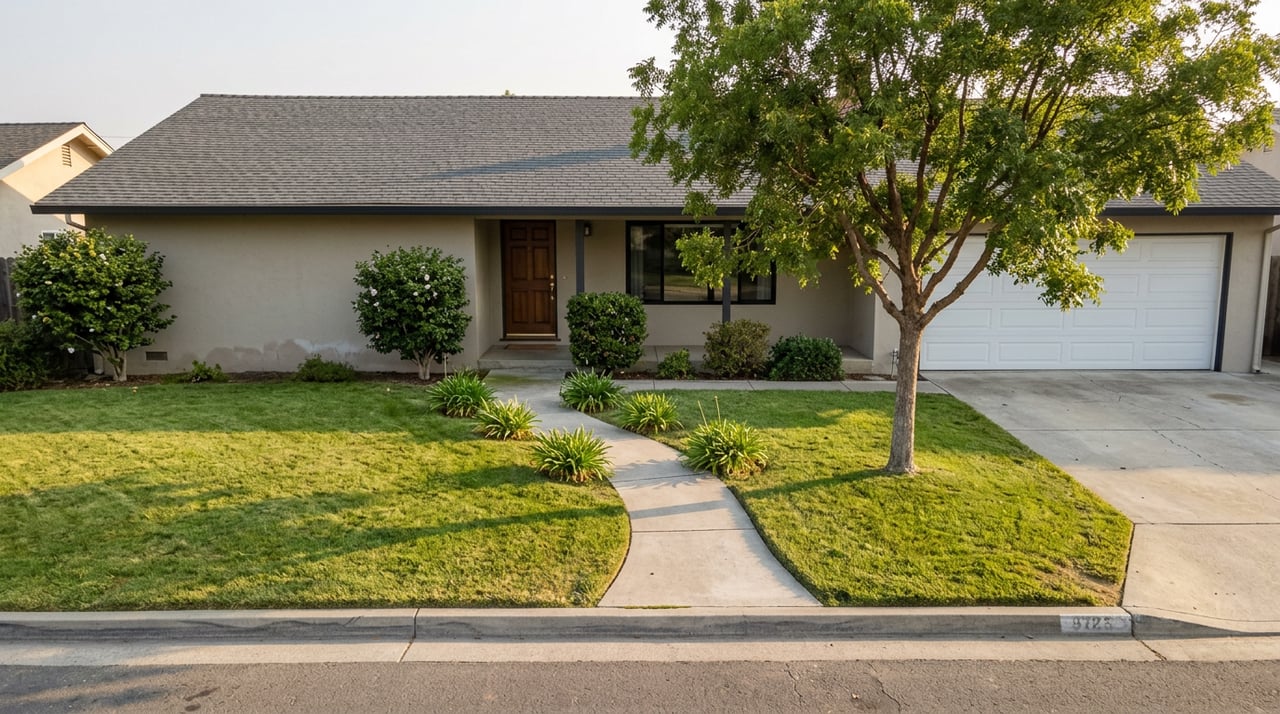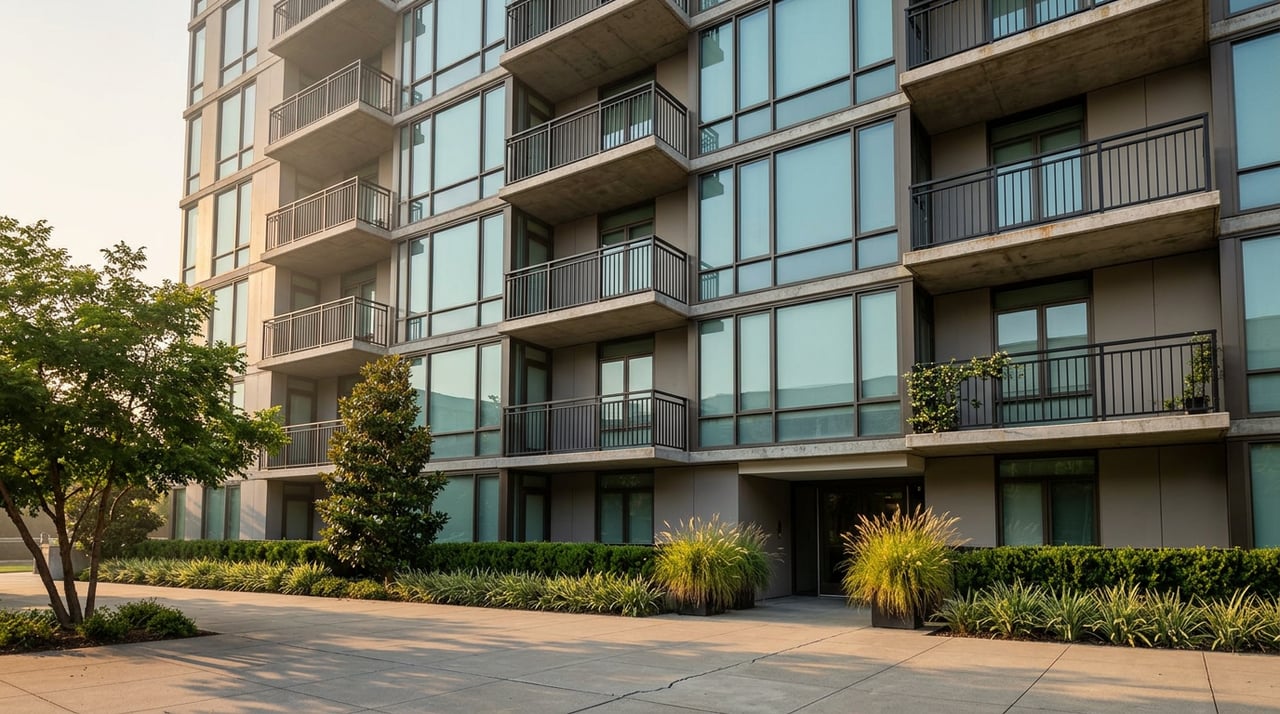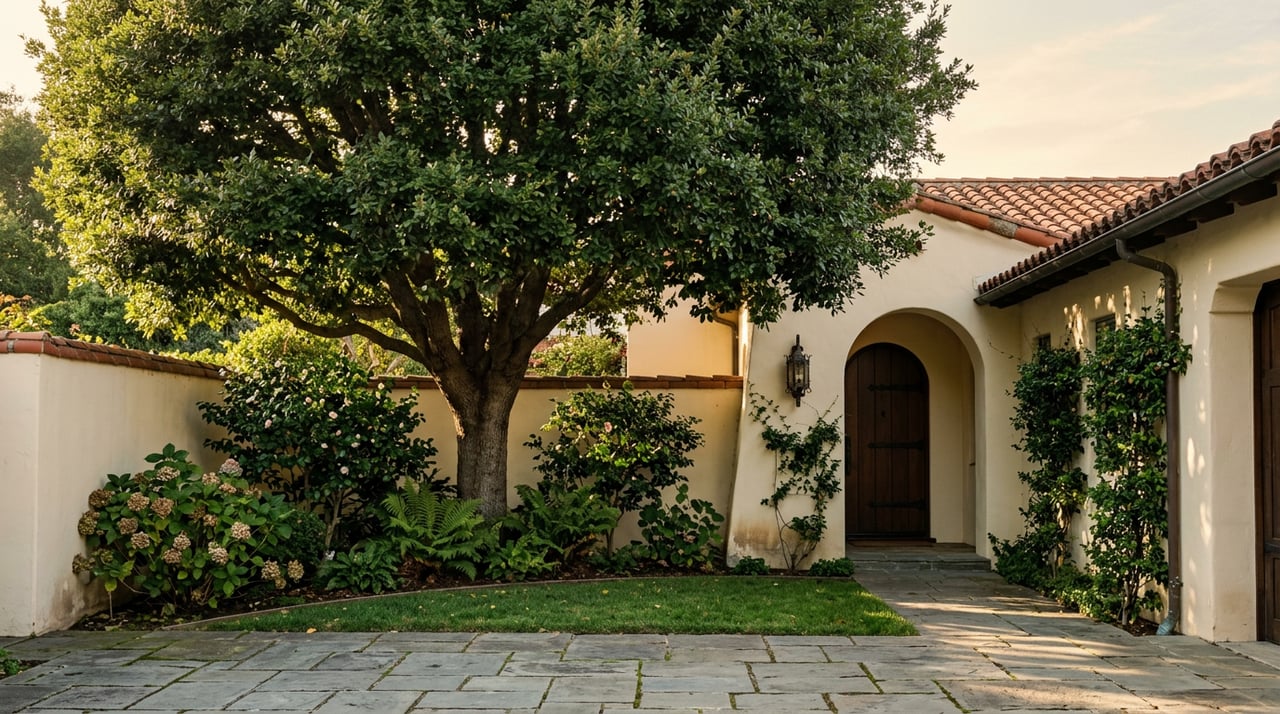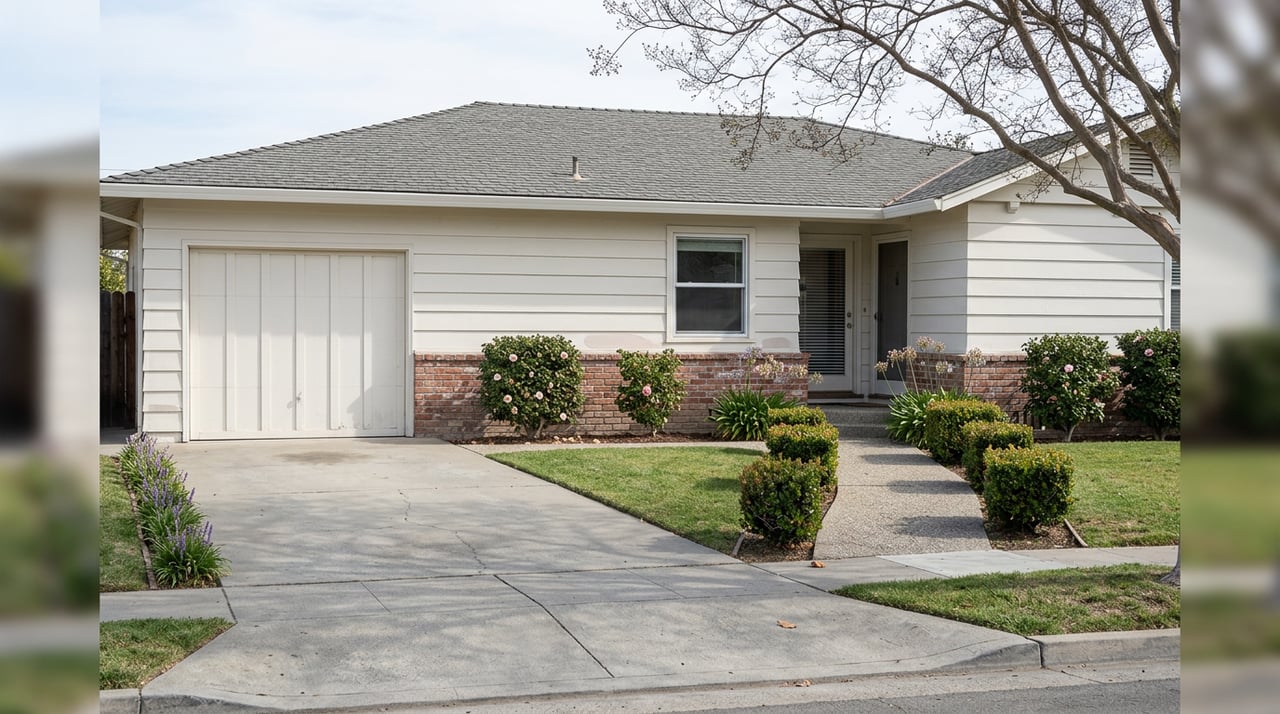

If you have been thinking about buying a duplex or triplex in Redwood City, you are probably asking the same question many buyers do: will the numbers work in one of the Peninsula’s most competitive markets? That is a fair concern, especially when pricing, rents, zoning, and long-term upside all matter at the same time. The good news is that Redwood City offers a strong local rental base, transit access, and several neighborhoods worth a closer look. Let’s dive in.
Why Redwood City Draws Duplex Buyers
Redwood City has several fundamentals that support demand for small multifamily housing. The city estimates a 2024 population of 84,292 and about 29,993 households across roughly 19 square miles. That scale gives you a meaningful local housing market without losing the neighborhood feel many Peninsula buyers want.
The rental picture is also important. Redwood City reports a median apartment rent of $2,899, with average rents of $2,197 for studios, $2,846 for one-bedroom units, and $3,752 for two-bedroom units. The city also reports that 50% of renters are rent burdened, which helps explain why well-located duplex and triplex properties continue to draw attention from both renters and investors.
Local employment supports that demand. Redwood City’s workforce data shows major job categories in professional, scientific, and technical services, manufacturing, health care and social assistance, educational services, information, and finance, insurance, and real estate. The city also reports that 72.2% of workers are employed within San Mateo County, 39.3% work in Redwood City itself, and the mean commute time is 24.8 minutes.
Transit and daily convenience add another layer. Downtown Redwood City is accessible from both Highway 101 and Interstate 280, and the Caltrain station sits downtown with SamTrans connections nearby. The city also describes Downtown as a major Peninsula activity center with more than 75 restaurants, retail, personal services, and entertainment uses.
What Duplex And Triplex Buyers Should Verify First
Before you get too attached to projected rental income, start with legality and site basics. In Redwood City, zoning and lot size can directly affect whether a duplex or triplex use is allowed as expected. That means you should verify the property’s zoning district and actual lot dimensions early in your review.
In the city’s R-2 district, the residential development summary lists minimum lot area requirements of 7,500 square feet for a duplex and 10,000 square feet for a triplex. The same summary shows a 15-foot front setback, a 20-foot rear setback, and a 28-foot maximum height in R-2. If a property is in a different district, such as R-3, the standards may differ.
That matters because many buyers assume an existing layout automatically matches current standards. Sometimes it does, and sometimes it does not. If you are buying for owner-occupancy, long-term hold, or future improvements, confirming the zoning details upfront can save you time and money.
ADU Potential Can Change The Math
Accessory dwelling unit potential is worth a close look in Redwood City. The city’s ADU ordinance allows ADUs to be attached, detached, or located within an existing dwelling. Redwood City also states that no additional parking is required for ADUs or junior ADUs.
For a buyer, that can create flexibility. A property that looks average on day one may offer stronger long-term value if there is room to add another legal unit type later. It does not mean every property will qualify, but it does mean ADU feasibility should be part of your review.
Redevelopment Fees And Tenant Rules Matter
If you are considering a larger repositioning project, local development rules become more important. Redwood City states that residential developments with 5 to 19 units pay affordable housing impact fees, and its fee page lists townhome, duplex, and triplex development at $25 per square foot. That may not apply to every purchase, but it can affect redevelopment planning.
The city also notes that existing tenants can trigger notice and relocation obligations under the local Tenant Protection Ordinance. If you are buying an occupied property, that is a major due diligence item. You want to understand the occupancy picture before finalizing your renovation or hold strategy.
How To Underwrite Redwood City Rents
One of the biggest mistakes small multifamily buyers make is relying on one headline rent number. In Redwood City, public rent sources point to a similar overall range, but the numbers still vary enough that you should use current unit-level comparisons whenever possible. That is especially true for duplexes and triplexes, where layout, condition, parking, and exact location can move rents meaningfully.
A practical citywide snapshot looks like this: one-bedroom rents generally fall in the high $2,000s to low $3,000s, two-bedroom rents often land in the high $3,000s to mid $4,000s, and three-bedroom rents can reach the mid $5,000s. The city dashboard reports averages of $2,846 for one-bedroom units and $3,752 for two-bedroom units. Other public sources cited in the research report show higher averages in some cases, which reinforces the need to compare like with like.
Here is a simple way to think about underwriting in this market:
- Use recent rent comps for similar unit sizes and condition
- Model conservative rents first, then test upside separately
- Build in vacancy and repair assumptions that reflect the age of the property
- Review whether tenant occupancy limits near-term rent changes
- Factor in any ADU potential only after confirming feasibility
Expect A Low-Cap-Rate Environment
Specific public cap rate data for Redwood City duplexes and triplexes is limited. The best nearby benchmark in the research report is Bay Area multifamily data, including a 2026 San Francisco market cap rate around 4.6%. That does not create a city-specific Redwood City cap rate, but it does support a reasonable conclusion that you are buying in a low-cap-rate environment.
For you, that means appreciation potential, location quality, and rental durability may matter just as much as first-year cash flow. It also means you should stress-test your exit assumptions. In a tight pricing environment, small changes in expenses, financing, or future resale pricing can make a noticeable difference.
Best Redwood City Areas To Research
Not every part of Redwood City offers the same mix of housing stock, transit access, and redevelopment context. The city’s neighborhood map and General Plan provide a useful starting point for where duplex and triplex buyers may want to focus first. These areas are worth researching because they line up with older housing patterns, multi-unit history, or stronger transit connections.
Downtown, Central, Centennial, And Stambaugh-Heller
These areas are logical first-pass options if you want proximity to Caltrain, downtown activity, and a planning framework with ongoing attention. The city says the Greater Downtown Area Plan includes Downtown and adjacent neighborhoods such as Centennial and Stambaugh-Heller. For buyers who value accessibility and rental demand drivers, that matters.
You may find that these areas offer the strongest blend of commuter appeal and daily convenience. That can support tenant demand over time. It can also mean more competition when good small multifamily properties hit the market.
Edgewood Park, Friendly Acres, Mt. Carmel, Palm Park, And Redwood Oaks
The city’s General Plan points to older neighborhood fabric and post-war development patterns in parts of Redwood City, especially near corridors like El Camino Real and Woodside Road. That makes neighborhoods such as Edgewood Park, Friendly Acres, Mt. Carmel, Palm Park, and Redwood Oaks worthwhile to study. These areas may have more of the missing-middle housing patterns many duplex and triplex buyers are seeking.
Each neighborhood should still be evaluated property by property. A great duplex on one street may underperform a better-configured property elsewhere. Focus on unit mix, condition, lot utility, parking, and access rather than relying on assumptions.
Redwood Shores Has A Different Profile
Redwood Shores remains important in the broader Redwood City market, but it may offer a different product mix. Based on the city’s planning context, it is generally more associated with condo and apartment opportunities than classic duplex or triplex stock. That does not make it irrelevant, but it may not be your first stop if your goal is a traditional small multifamily purchase.
A Smart Buying Checklist
If you want to approach this market with more confidence, keep your due diligence focused on the items that most often affect value and risk.
- Confirm the exact zoning district
- Verify lot size and site dimensions
- Review current use versus future use potential
- Check for ADU or JADU feasibility
- Study current rent comps by unit type
- Review tenant occupancy and local notice requirements
- Estimate repair and renovation costs carefully
- Stress-test financing, reserves, and exit assumptions
- Compare neighborhood access to transit and daily services
Why Local Guidance Matters
Buying a duplex or triplex in Redwood City is rarely just about finding a building with two or three doors. You are also evaluating neighborhood fit, zoning, rent potential, tenant considerations, and long-term flexibility. In a market like this, small details can have a big impact on both your monthly numbers and your future options.
That is why local, neighborhood-level guidance matters. When you understand how Redwood City’s micro-markets differ, how city rules affect use, and where rental demand is strongest, you can make cleaner decisions and avoid expensive assumptions. If you want help evaluating a Redwood City duplex or triplex opportunity, connect with Luis Vasquez for local insight and a high-touch buying strategy.
FAQs
What makes Redwood City attractive for duplex and triplex buyers?
- Redwood City offers a strong rental base, major local employment, Caltrain access, and active downtown amenities, all of which can support demand for small multifamily housing.
What zoning details should duplex buyers verify in Redwood City?
- You should confirm the zoning district, lot size, setbacks, and height limits before assuming a duplex or triplex is allowed or can be expanded.
What are typical rent ranges for Redwood City multifamily units?
- Based on the research report, one-bedroom rents are generally in the high $2,000s to low $3,000s, two-bedroom rents in the high $3,000s to mid $4,000s, and three-bedroom rents in the mid $5,000s.
Can an ADU improve a Redwood City duplex investment?
- It can, because Redwood City allows attached, detached, and interior ADUs, and the city does not require additional parking for ADUs or junior ADUs.
Which Redwood City neighborhoods should duplex and triplex buyers research first?
- A strong starting point includes Downtown, Central, Centennial, Stambaugh-Heller, Edgewood Park, Friendly Acres, Mt. Carmel, Palm Park, and Redwood Oaks, depending on your goals and property criteria.
Are Redwood City duplex cap rates high or low?
- Public city-specific data is limited, but the research report supports treating Redwood City as part of a Bay Area low-cap-rate environment, so buyers should underwrite conservatively.