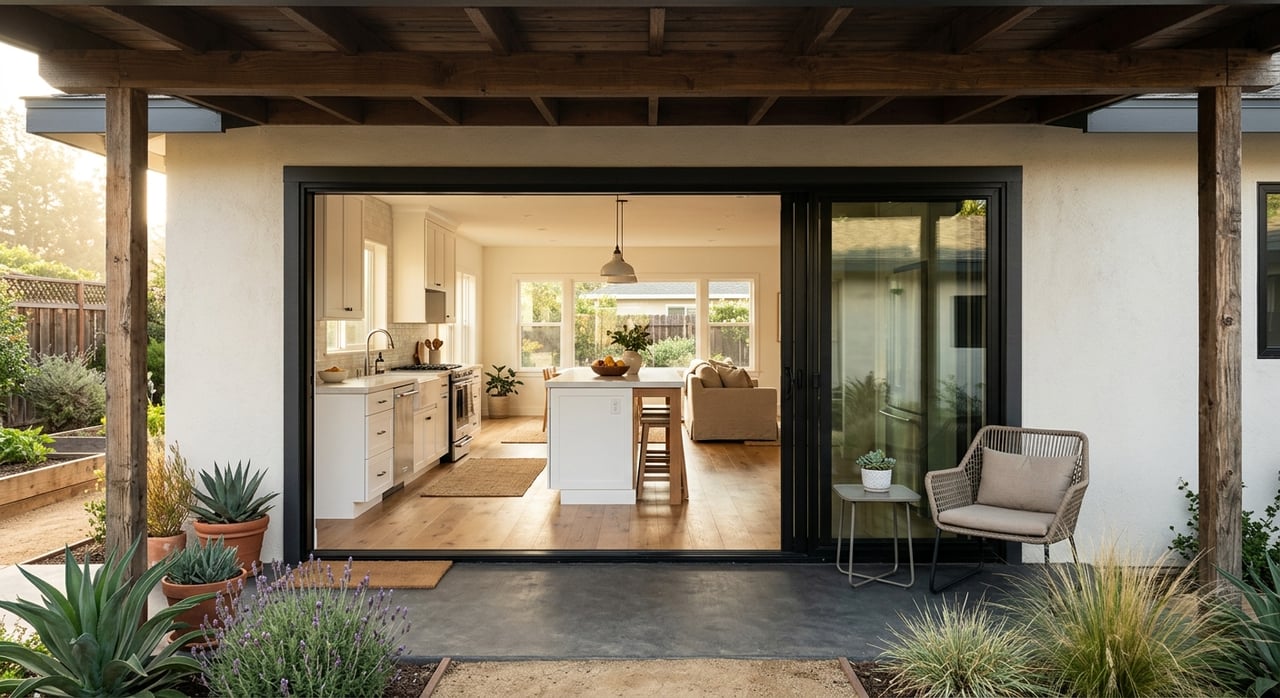
Wondering whether now is the right time to sell your San Mateo Village ranch-style home? If you own one of these classic one-level properties, you are in a market where buyer demand is strong, but that does not mean every home gets the same result. The right prep, pricing, and presentation can make a meaningful difference in both speed and final sale terms. Let’s dive in.
San Mateo Village market snapshot
San Mateo Village is a fast-moving micro-market with high buyer interest. Over the last three months, Redfin reported a median sale price of $2.2 million, average market time of about 7 days, and an average of 117.3% of list price. It also reported that many homes receive multiple offers, often with waived contingencies.
Inventory has also been tight. Zillow’s neighborhood value index was $1,780,245 with only 6 homes for sale as of May 31, 2026. That limited supply can work in your favor, but buyers still compare condition, layout, updates, and overall presentation very carefully.
Recent sales also show that not every result is identical. In San Mateo Village, some homes have sold below list after more time on market, while others have sold far above list. That tells you something important: even in a hot market, your strategy still matters.
Why ranch homes stand out
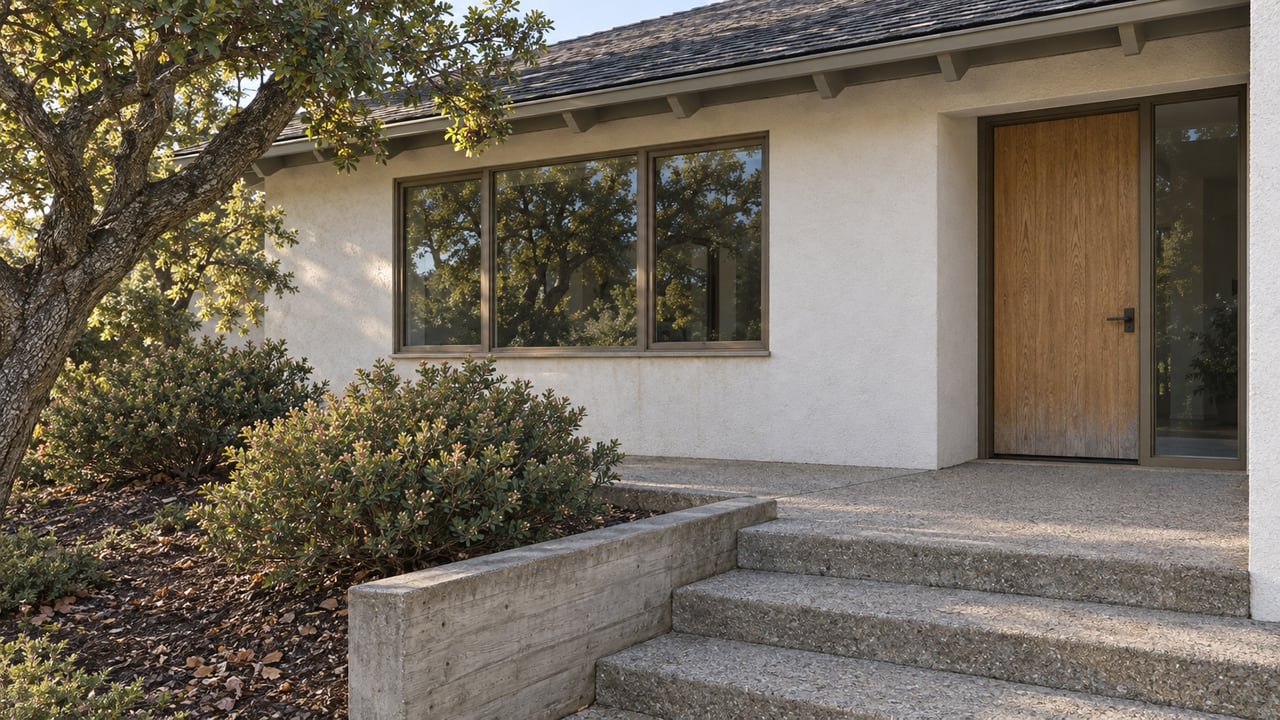
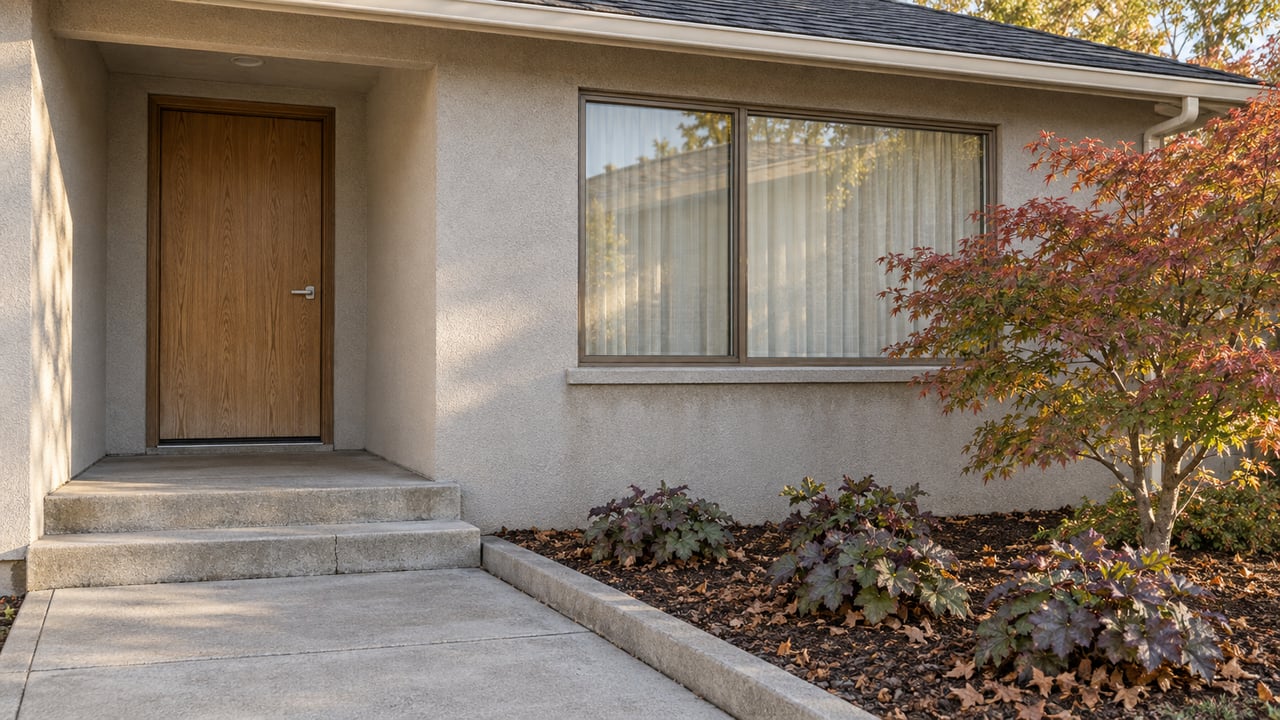
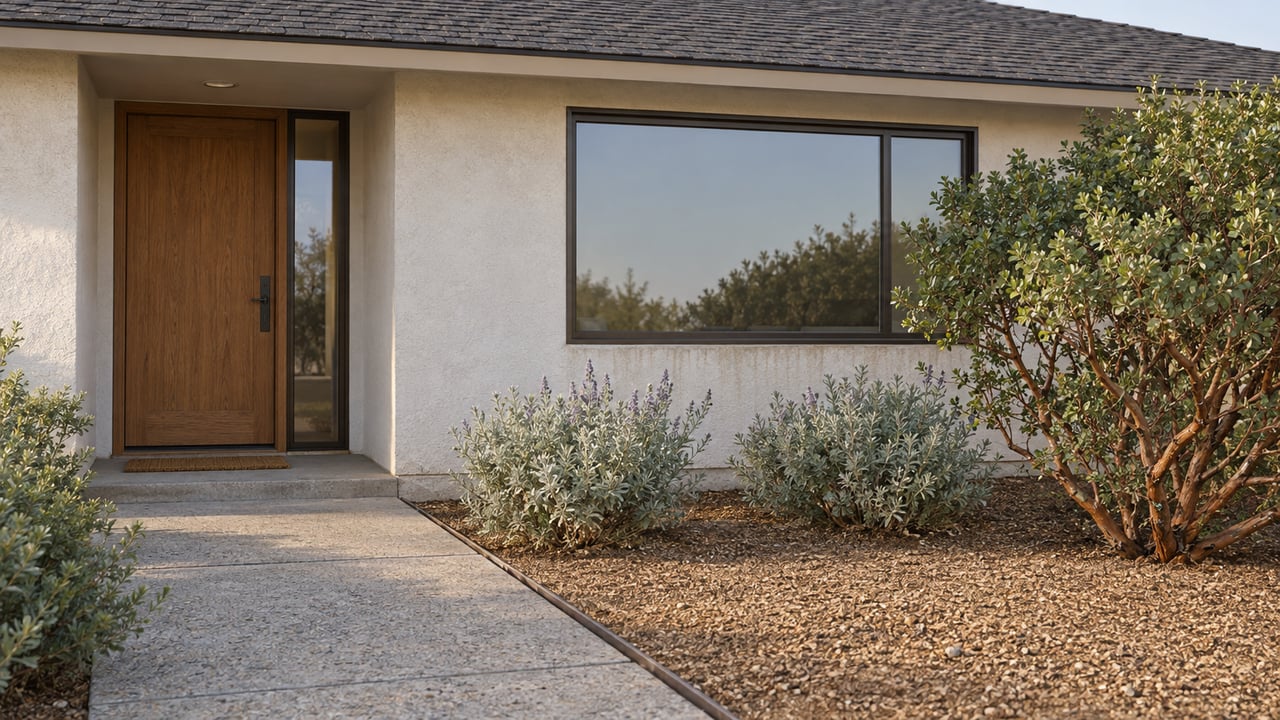
San Mateo Village is known for many mid-century ranch homes, and that style still connects with today’s buyers. A ranch home’s appeal often comes down to one-level living, practical square footage, natural light, and easy indoor-outdoor flow. Those features fit how many buyers want to live today.
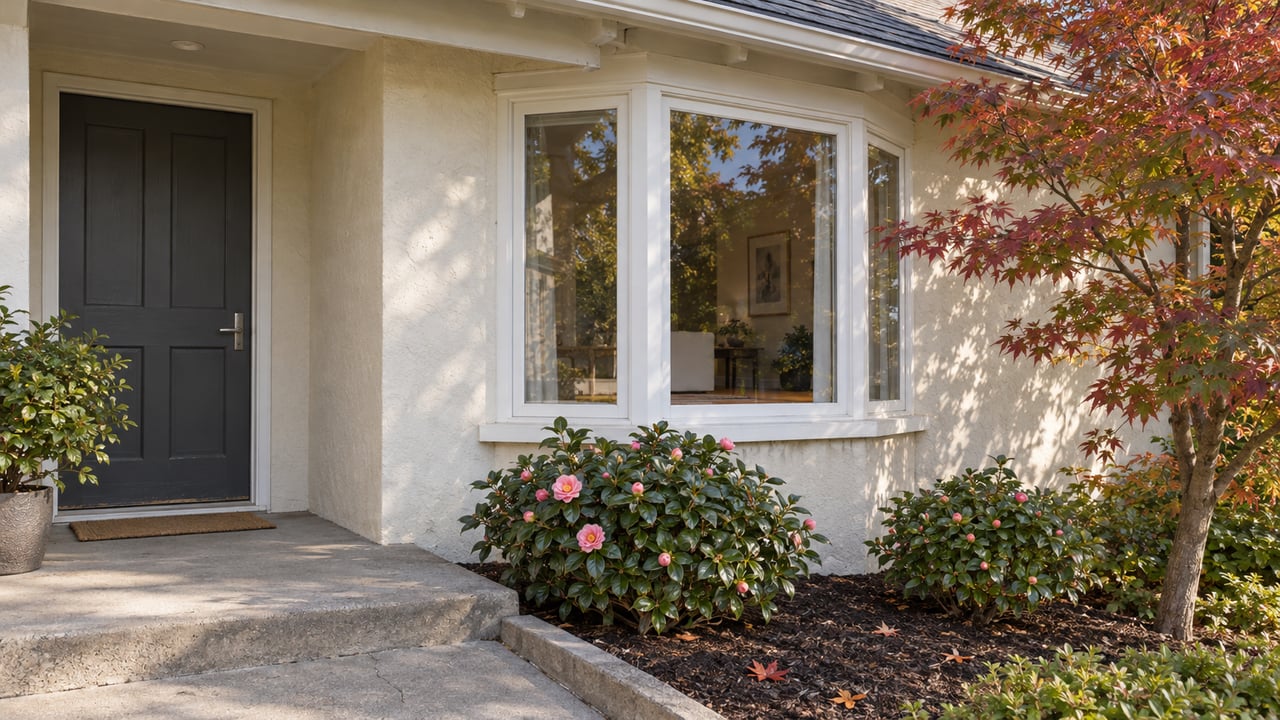
A classic ranch-style home is usually low-profile and simple in a good way. Picture windows, sliding doors, open living and dining areas, attached garages, and usable backyards all help tell a strong story. When marketed well, your home can feel efficient, bright, and comfortable rather than just older.
That framing matters. Buyers in this market are often drawn to homes that feel move-in ready, functional, and easy to understand.
Focus on repairs that protect value
Before you spend money, start with records. The City of San Mateo requires permits for work such as building, enlarging, altering, removing, demolishing, or repairing a structure, and its CSS portal allows permit searches by address, date range, permit number, or parcel number. That makes permit verification a smart first step before listing.
For many Village sellers, the most important items to confirm are prior work involving:
- Kitchens
- Bathrooms
- Roofs
- Electrical systems
- Plumbing
- Garages
- Additions or added square footage
If you find missing paperwork or unclear permit history, address that early. Clean documentation can reduce buyer questions and help your home feel more straightforward during disclosure review.
Choose light updates with visible impact
In San Mateo, local home-trend data points toward modest improvements that buyers notice right away. Features tied to higher sale-to-list ratios include new carpet, new light fixtures, breakfast nooks, storage sheds, stone counters, eat-in areas, large windows, covered decks, and a primary bathroom. For a ranch-style home, this supports a light-update approach rather than an expensive full remodel.
The best pre-list improvements are often the ones that make your home feel cleaner, brighter, and more functional. Think refreshed lighting, touch-up paint where needed, fresh flooring if worn, and better visual flow in living and dining spaces. If your home already has good bones, you usually do not need to force a dramatic redesign.
A practical approach may include:
- Replacing dated or dim light fixtures
- Installing new carpet in select areas if current flooring is tired
- Highlighting stone counters if already present
- Clarifying an eat-in kitchen or breakfast nook with simple staging
- Cleaning windows to maximize natural light
- Refreshing patio or deck areas so they feel usable
The goal is not to erase the home’s character. The goal is to make the home feel cared for, easy to live in, and ready for the next owner.
Preserve original character the right way
If your ranch home still has original details, do not assume they are a drawback. In many cases, buyers respond well to homes that feel authentic and well maintained. The key is to present those details as part of a cohesive, move-in-ready home.
That means avoiding updates that clash with the home’s style. Over-renovating or mixing in design choices that feel out of place can weaken the appeal. In San Mateo Village, a clean and consistent presentation often matters more than trying to make the home look like something it is not.
Focus on showing off the features that support the ranch story:
- Picture windows and daylight
- One-level layout
- Open living and dining flow
- Sliding doors to patio or yard
- Attached garage convenience
- Manageable, usable outdoor space
When photos and showings make those strengths obvious, buyers can picture the lifestyle more clearly.
Stage for light and flow
Staging a ranch-style home is not about filling rooms. It is about making the layout feel open, functional, and bright. In San Mateo, local feature data suggests that large windows, covered decks, eat-in areas, and breakfast nooks deserve extra attention.
Start by decluttering and simplifying each room. If buyers can quickly understand where to eat, gather, work, and relax, the home will photograph better and show better in person. Even small homes can feel more spacious when furniture placement supports flow.
Pay special attention to these areas:
Living spaces
Keep furniture scaled to the room and avoid blocking windows. Let natural light become part of the presentation. If the layout connects living and dining spaces, show that relationship clearly.
Kitchen and dining areas
If you have a breakfast nook or eat-in area, make it obvious. A small table, clean surfaces, and good lighting can help buyers see everyday function. These spaces matter in local buyer perception.
Backyard and patio
Treat the yard as an extension of the home. Clean hardscape, trim landscaping, and add simple outdoor seating if appropriate. Buyers often value usable outdoor space in a ranch-style property.
Get disclosures and records ready early
In California, disclosures are a major part of preparing a home sale. Civil Code 1102 governs the Transfer Disclosure Statement for single-family residential property, and Civil Code 1103 governs the Natural Hazard Disclosure Statement. Those hazard disclosures can include flood zones, very high fire hazard severity zones, earthquake fault zones, seismic hazard zones, and wildland fire areas.
If your home was built before 1978, lead-based paint rules also matter. Federal law requires disclosure of known lead-based paint information, and buyers receive a 10-day opportunity to inspect or assess for lead hazards. If renovation work will disturb painted surfaces, use trained and certified lead-safe contractors.
Before listing, it helps to assemble a pre-list packet that may include:
- Permit history
- Contractor invoices or warranties
- Inspection records if available
- Transfer Disclosure Statement materials
- Natural Hazard Disclosure materials
- Lead-based paint information for pre-1978 homes
The City of San Mateo’s online systems can help sellers search permit history and access public-record and permit resources. Having these records ready can make your sale feel cleaner and more organized.
Plan your move before you list
A fast market is great until you are the one who has to move. With Village homes selling in about 7 days on average, many sellers need a plan for what happens next before the sign goes up. This is especially true if you are moving up to another home in San Mateo County or elsewhere on the Peninsula.
In practice, many sellers should think through one of three paths:
| Option | Best for | Key consideration |
|---|---|---|
| Buy first | Sellers who can secure the next home early | Can reduce moving stress, but timing and finances need to be managed carefully |
| Sell first | Sellers who want clarity on proceeds before buying | You may need temporary housing if your next purchase is not ready |
| Coordinated transition | Sellers using rent-back or closely timed closings | Requires strong planning and negotiation |
There is no one right answer for every household. What matters is having a realistic backup plan, whether that means temporary housing, a rent-back, or a carefully coordinated closing timeline.
A smart selling strategy for San Mateo Village
Selling a San Mateo Village ranch-style home is not just about putting a sign in the yard. It is about matching your home’s style, condition, and records to what buyers in this micro-market are already rewarding. In a neighborhood where demand is high, the homes that stand out tend to be the ones that feel well prepared, well presented, and easy to trust.
If you are thinking about selling, start with the basics: verify permits, choose targeted updates, preserve the ranch character, prepare disclosures early, and plan your next move before you list. That kind of preparation can help you protect value and move forward with more confidence.
If you want a neighborhood-specific strategy for your San Mateo Village home, connect with Luis Vasquez for local guidance, hands-on prep support, and a personalized plan.
FAQs
What repairs are worth doing before selling a San Mateo Village ranch home?
- The most worthwhile pre-list work is usually visible, practical improvement such as lighting, flooring, cleanliness, and functional fixes, along with verifying permit history for past kitchen, bath, roof, electrical, plumbing, garage, or addition work.
What updates help a San Mateo ranch-style home feel current?
- Light updates such as new carpet, new light fixtures, refreshed kitchen and dining areas, cleaned windows, and improved patio or deck presentation can help the home feel brighter and more functional without over-renovating.
How should you market original features in a San Mateo Village ranch home?
- Present original details as part of a well-maintained, move-in-ready home and focus on one-level living, natural light, indoor-outdoor flow, and usable yard space rather than treating the home as outdated.
What disclosures do California sellers need for a San Mateo single-family home?
- Sellers should be prepared for the Transfer Disclosure Statement, the Natural Hazard Disclosure Statement, and if the home was built before 1978, lead-based paint disclosures and the buyer’s 10-day opportunity to inspect for lead hazards.
How can you check permit history for a San Mateo Village home?
- The City of San Mateo provides online permit and public-record search tools that allow records to be searched by address, date range, permit number, or parcel number.
Should you buy or sell first when moving out of San Mateo Village?
- Because Village homes can sell quickly, many move-up sellers benefit from planning their next housing step in advance, whether that means buying first, selling first with temporary housing, or using a rent-back or closely coordinated closing timeline.